
NEITHER PLATO NOR ARISTOTLE BUILD THEIR ethics on the existence of God top-down according to John Finnis. It is not to God that they look to as the source of objective norms of human flourishing (happiness). The flow of argument is not God→Norm→Man, but rather Man→Norm→God. They build their ethics on the existence of God bottom-up. They both start from nature, to objective norms of right and of wrong, and, in reflecting upon the nature of these norms, come to see "that there is a transcendent source of being (i.e., of entities and states of affairs, and of their existing) and in particular of our capacity and desire to understanding being (or nature) and its many forms of good." NLNR, 395. This is a very beautiful thought to which we in the West are heir, although it is prevalent enough in the Eastern notion of dharma and the Tao:
NLNR, 395-96. Plato comes very close indeed to an understanding of God's law as an Eternal Law in which natural law, with its foundation in man's reasonable nature, participates. If we did not know their source, it would be hard to distinguish these words of Plato from the words of a Christian theologian:

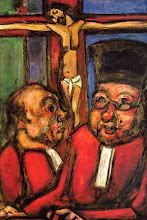
Christos Basileus (Christ the King)
For all their yearning, and for all their leanings toward the right and the true, there is both in Plato and Aristotle a certain diffidence, an "uncertainty," which comes from reason's limits. They have reached the boundaries of reason's gift, and there they await, panting as a deer for living waters, the living waters that only Christ and His Church could impart, and which, they, at best, smelled, sort of like one feels the approaching of a rain storm. This living water was not something that could be found through the exercise of Greek reason. It required the coming to God to earth: his self-communication by the assumption of human nature by the Person of the Son of God. All Plato and Aristotle yearned for and had but an inkling at best, was to find fulfillment in Christos Basileus and the Theopolis of the Church.

Aristotle and Plato, like all men bar none, needed the "foolishness" of the revelation of God in Christ. Cf. 1 Cor. 1:23. The revelation of God in Christ is the capstone of any theory of natural law. Without the revelation, a theory of natural law will get close, but not even as close as Moses got to the Promised Land when he viewed the terrain from the top of Mount Pisgah. And close counts only in horseshoes and hand grenades as the saying goes. Close is not good enough in the formation of one's moral life. Nor is it good enough in the formation of the life of the community.
____________________________________
*Plato, Laws, IV, 715e-716d (“ἄνδρες” τοίνυν φῶμεν πρὸς αὐτούς, “ὁ μὲν δὴ θεός, ὥσπερ καὶ ὁ παλαιὸς λόγος, ἀρχήν τε καὶ τελευτὴν καὶ μέσα τῶν ὄντων ἁπάντων ἔχων, εὐθείᾳ περαίνει κατὰ φύσιν περιπορευόμενος: τῷ δὲ ἀεὶ συνέπεται δίκη τῶν ἀπολειπομένων τοῦ θείου νόμου τιμωρός, ἧς ὁ μὲν εὐδαιμονήσειν μέλλων ἐχόμενος συνέπεται ταπεινὸς καὶ κεκοσμημένος . . . . “τίς οὖν δὴ πρᾶξις φίλη καὶ ἀκόλουθος θεῷ; μία, καὶ ἕνα λόγον ἔχουσα ἀρχαῖον, ὅτι τῷ μὲν ὁμοίῳ τὸ ὅμοιον ὄντι μετρίῳ φίλον ἂν εἴη, τὰ δ᾽ ἄμετρα οὔτε ἀλλήλοις οὔτε τοῖς ἐμμέτροις. ὁ δὴ θεὸς ἡμῖν πάντων χρημάτων μέτρον ἂν εἴη μάλιστα, καὶ πολὺ μᾶλλον ἤ πού τις, ὥς φασιν, ἄνθρωπος: τὸν οὖν τῷ τοιούτῳ προσφιλῆ γενησόμενον, εἰς δύναμιν ὅτι μάλιστα καὶ αὐτὸν τοιοῦτον ἀναγκαῖον γίγνεσθαι, καὶ κατὰ τοῦτον δὴ τὸν λόγον ὁ μὲν σώφρων ἡμῶν θεῷ φίλος, ὅμοιος γάρ, ὁ δὲ μὴ σώφρων ἀνόμοιός τε καὶ διάφορος καὶ [ὁ] ἄδικος, καὶ τὰ ἄλλ᾽ οὕτως κατὰ τὸν αὐτὸν λόγον ἔχει. νοήσωμεν δὴ τούτοις ἑπόμενον εἶναι τὸν τοιόνδε λόγον, ἁπάντων κάλλιστον καὶ ἀληθέστατον οἶμαι λόγων, ὡς τῷ μὲν ἀγαθῷ θύειν καὶ προσομιλεῖν ἀεὶ τοῖς θεοῖς εὐχαῖς καὶ ἀναθήμασιν καὶ συμπάσῃ θεραπείᾳ θεῶν κάλλιστον καὶ ἄριστον καὶ ἀνυσιμώτατον πρὸς τὸν εὐδαίμονα βίον καὶ δὴ καὶ διαφερόντως πρέπον, τῷ δὲ κακῷ τούτων τἀναντία πέφυκεν.)
[I]n realizing one's nature, in flourishing (eudamonia), and (what is the same thing from another aspect) in recognizing the authoritativeness of practical reasonableness, its principles, and its requirements, one is responding to the divine pull and recognizing the mastery of God.
NLNR, 395-96. Plato comes very close indeed to an understanding of God's law as an Eternal Law in which natural law, with its foundation in man's reasonable nature, participates. If we did not know their source, it would be hard to distinguish these words of Plato from the words of a Christian theologian:
Let us, then, speak to them thus:—“O men, that God who, as old tradition tells, holds the beginning, the end, and the center of all things that exist, completes his circuit by nature's ordinance in straight, unswerving course. With him follows Justice, as avenger of them that fall short of the divine law; and she, again, is followed by every man who would fain be happy, cleaving to her with lowly and orderly behavior . . . Every man ought so to devise as to be of the number of those who follow in the steps of the God. . . . What conduct, then, is dear to God and in his steps? One kind of conduct, expressed in one ancient phrase, namely, that “like is dear to like” when it is moderate, whereas immoderate things are dear neither to one another nor to things moderate. In our eyes God will be “the measure of all things” in the highest degree—a degree much higher than is any “man” they talk of. He, then, that is to become dear to such an one must needs become, so far as he possibly can, of a like character; and, according to the present argument, he amongst us that is temperate is dear to God, since he is like him.Plato, Laws.* Patently, Plato had no benefit of the Christian revelation. The "revelation" of the Greek gods was one he, by an large a student of Socrates (who was condemned for atheism and the corruption of youth), rejected. It is therefore to be expected that he had no conception of a distinction between divinely promulgated law (such as that found in the Old Testament or the New Testament) and the naturally promulgated law. Plato had formed a concept of the latter, but not the former.
For Plato, while he would affirm that God can be apprehended by us in the act and experience of human understanding, has no conception of a revelation accessible to men without the effort of rational dialectic and contemplation--of the sort of empirical revelation, for instance that would be 'folly to the Greeks' (but would be offered to them non the less).NLNR, 396. But the reason and dialectic of both Plato and Aristotle was something markedly different from the reason and dialectic of the Enlightenment. For both Aristotle and Plato, reason did not mean that man was the measure of all things, but reason meant that God was the measure of all things. Practical reason was--for them--theologically ordered and centered. It was not anthropologically-centered. Unlike the reason unleashed by the Enlightenment thinkers, reason was not a vehicle toward an autonomy, but rather reason was a vehicle toward a theonomy.
[Plato and Aristotle] were encouraged to treat reason as more than a skill, knack, or characteristic that men, unlike animals, happen to have; and to treat the nature or reality that both includes and is illuminated by man's understanding as more than a fortuitous agglomeration of entities and states of affairs devoid of any significance that could attract human admiration and allegiance. Practical reasonableness gains for them the significance of a partial imitation of God; the basic values grasped by practical reason gain an objectivity; and practical reason's methodological requirements of constancy and impartiality are reinforced by the worth of adopting the viewpoint of the God who 'contemplates all time and all existence.'NLNR, 398 (quoting Plato, Republic, VI, 486a).

Christos Basileus (Christ the King)
For all their yearning, and for all their leanings toward the right and the true, there is both in Plato and Aristotle a certain diffidence, an "uncertainty," which comes from reason's limits. They have reached the boundaries of reason's gift, and there they await, panting as a deer for living waters, the living waters that only Christ and His Church could impart, and which, they, at best, smelled, sort of like one feels the approaching of a rain storm. This living water was not something that could be found through the exercise of Greek reason. It required the coming to God to earth: his self-communication by the assumption of human nature by the Person of the Son of God. All Plato and Aristotle yearned for and had but an inkling at best, was to find fulfillment in Christos Basileus and the Theopolis of the Church.
Without some revelation more revealing than any that Plato or Aristotle may have experienced, it is impossible to have sufficient assurance that the uncaused cause of all the good things of this world (including our ability to understand them) is itself a good that one could love, personal in a way that one might imitate, a guide that one should follow, or a guarantor of anyone's practical reasonableness.NLNR, 398.

Aristotle and Plato, like all men bar none, needed the "foolishness" of the revelation of God in Christ. Cf. 1 Cor. 1:23. The revelation of God in Christ is the capstone of any theory of natural law. Without the revelation, a theory of natural law will get close, but not even as close as Moses got to the Promised Land when he viewed the terrain from the top of Mount Pisgah. And close counts only in horseshoes and hand grenades as the saying goes. Close is not good enough in the formation of one's moral life. Nor is it good enough in the formation of the life of the community.
____________________________________
*Plato, Laws, IV, 715e-716d (“ἄνδρες” τοίνυν φῶμεν πρὸς αὐτούς, “ὁ μὲν δὴ θεός, ὥσπερ καὶ ὁ παλαιὸς λόγος, ἀρχήν τε καὶ τελευτὴν καὶ μέσα τῶν ὄντων ἁπάντων ἔχων, εὐθείᾳ περαίνει κατὰ φύσιν περιπορευόμενος: τῷ δὲ ἀεὶ συνέπεται δίκη τῶν ἀπολειπομένων τοῦ θείου νόμου τιμωρός, ἧς ὁ μὲν εὐδαιμονήσειν μέλλων ἐχόμενος συνέπεται ταπεινὸς καὶ κεκοσμημένος . . . . “τίς οὖν δὴ πρᾶξις φίλη καὶ ἀκόλουθος θεῷ; μία, καὶ ἕνα λόγον ἔχουσα ἀρχαῖον, ὅτι τῷ μὲν ὁμοίῳ τὸ ὅμοιον ὄντι μετρίῳ φίλον ἂν εἴη, τὰ δ᾽ ἄμετρα οὔτε ἀλλήλοις οὔτε τοῖς ἐμμέτροις. ὁ δὴ θεὸς ἡμῖν πάντων χρημάτων μέτρον ἂν εἴη μάλιστα, καὶ πολὺ μᾶλλον ἤ πού τις, ὥς φασιν, ἄνθρωπος: τὸν οὖν τῷ τοιούτῳ προσφιλῆ γενησόμενον, εἰς δύναμιν ὅτι μάλιστα καὶ αὐτὸν τοιοῦτον ἀναγκαῖον γίγνεσθαι, καὶ κατὰ τοῦτον δὴ τὸν λόγον ὁ μὲν σώφρων ἡμῶν θεῷ φίλος, ὅμοιος γάρ, ὁ δὲ μὴ σώφρων ἀνόμοιός τε καὶ διάφορος καὶ [ὁ] ἄδικος, καὶ τὰ ἄλλ᾽ οὕτως κατὰ τὸν αὐτὸν λόγον ἔχει. νοήσωμεν δὴ τούτοις ἑπόμενον εἶναι τὸν τοιόνδε λόγον, ἁπάντων κάλλιστον καὶ ἀληθέστατον οἶμαι λόγων, ὡς τῷ μὲν ἀγαθῷ θύειν καὶ προσομιλεῖν ἀεὶ τοῖς θεοῖς εὐχαῖς καὶ ἀναθήμασιν καὶ συμπάσῃ θεραπείᾳ θεῶν κάλλιστον καὶ ἄριστον καὶ ἀνυσιμώτατον πρὸς τὸν εὐδαίμονα βίον καὶ δὴ καὶ διαφερόντως πρέπον, τῷ δὲ κακῷ τούτων τἀναντία πέφυκεν.)